How to give industrial-style furniture a convincing direction
Industrial character works best when robust materials and visible structure are used with discipline. Its useful qualities include dark metal accents and textured timber.
Industrial character works best when robust materials and visible structure are used with discipline.
The right decision connects appearance with construction and maintenance. For projects in Benidorm, we also check the actual light, access and conditions in the room.
Industrial character works best when robust materials and visible structure are used with discipline. Its useful qualities include dark metal accents and textured timber.
We consider it for wardrobes, kitchens, living-room furniture and commercial work when its character supports the brief rather than leading it.
Heavy black frames in every element and rough surfaces where cleaning matters should be discussed before drawings or samples are approved.
Clear structural rhythms and open shelving with purposeful closed storage can be balanced with simpler surfaces, so the finished room is coherent rather than overworked.
We compare realistic alternatives and explain what changes in construction, upkeep and price. You are not expected to specify industrial-style furniture unaided.
Cleaning, light exposure, moving parts and local repair are considered so the choice still makes sense after years of use.
 Photo collection
 Furniture inspiration from MMV Estudio
View on Instagram Photo collection
 Furniture inspiration from MMV Estudio
View on Instagram Photo collection
 Furniture inspiration from MMV Estudio
View on Instagram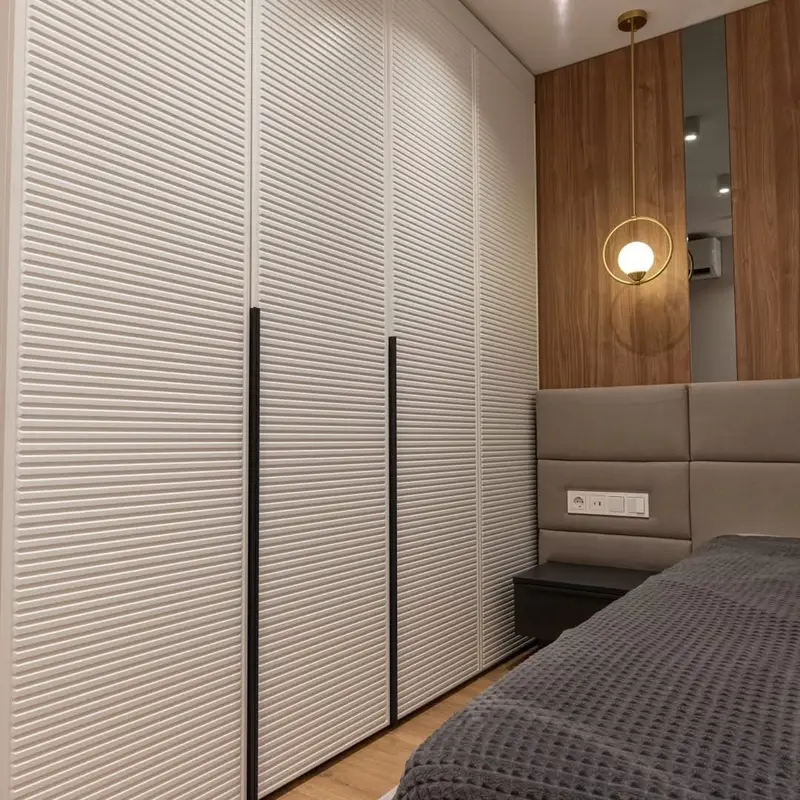 Photo collection
 Furniture inspiration from MMV Estudio
View on Instagram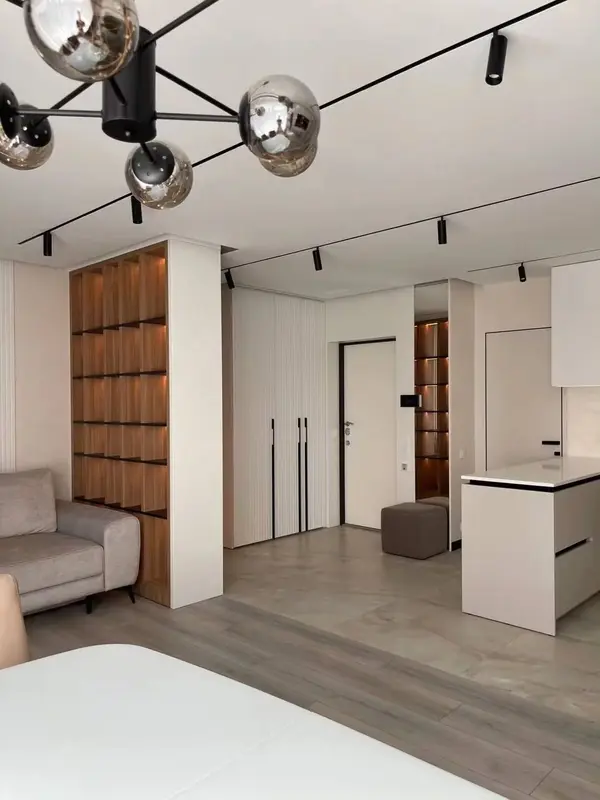 Photo collection
 Furniture inspiration from MMV Estudio
View on Instagram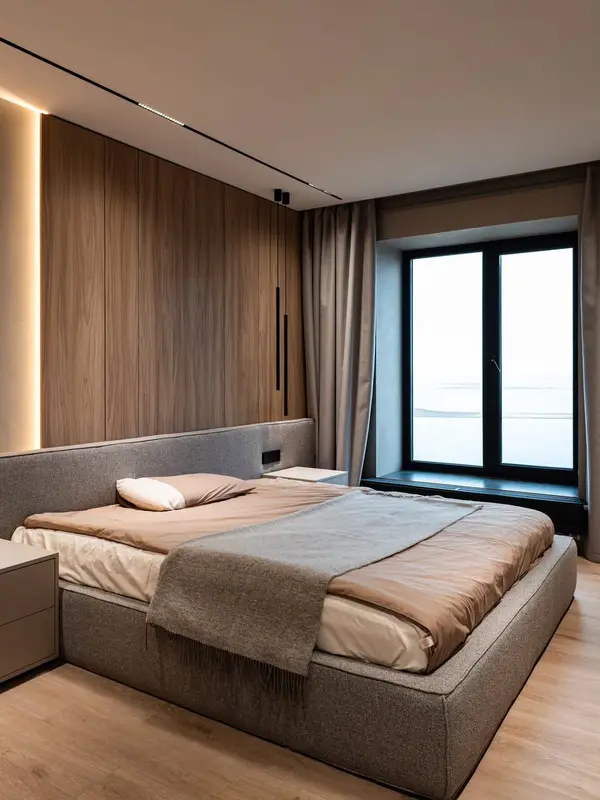 Photo collection
 Furniture inspiration from MMV Estudio
View on InstagramYes. Start with the pieces you want to keep. Their proportions, colours and materials guide how the new furniture is introduced.
No. A shared palette or repeated detail can connect the rooms while allowing each one to suit its use.
Choose a few images and explain what you like: colour, proportion, doors or materials. Photographs of your room help us adapt those ideas.
We will review your enquiry and contact you to clarify the scope and next steps. Sending this form does not place an order.